For Michael “Cowboy Mike” Eastwood, creating a new Cowboy Mike and Winston book starts long before the first copy reaches Amazon or Barnes & Noble. Each story begins with an idea, then moves through writing, research, illustration, editing, proofreading, design, publishing, and promotion.
The goal stays consistent throughout the process: create a story children enjoy reading while giving parents, grandparents, teachers, and families something meaningful to share.
Every Book Starts With an Idea
The first step is deciding where Cowboy Mike and Winston should go next and what they should learn along the way.
Some ideas come from everyday life. Others come from animals, sports, ranch experiences, community events, health, water, holidays, friendship, or subjects children are curious about.
Before writing begins, Michael looks at the heart of the story. What should children learn? What will keep them interested? How will Cowboy Mike and Winston make the lesson fun?
Once those questions are answered, the direction of the book begins to take shape.
Turning the Idea Into a Story
After choosing the subject, Michael develops the storyline.
He works through the setting, the characters, the adventure, and the lesson behind the story. Each book needs a clear beginning, middle, and ending, while keeping the language appropriate for young readers.
The story also needs movement. Children should want to turn the page to see what happens next.
Michael pays close attention to the balance between education and entertainment. The lesson matters, but the story still needs to feel like an adventure.
Research Comes Next
When a book covers a subject such as baseball, animals, water, ranching, or another educational topic, research becomes an important part of the process.
Michael reviews facts, terminology, rules, measurements, equipment, and other details connected to the story.
Experts sometimes help answer questions or verify information.
Accuracy matters because children often remember what they read. The information needs to be correct while still being easy enough for a young reader to understand.
Writing the First Draft
Once the idea and research are in place, Michael writes the first draft.
This is where the characters, dialogue, lesson, and adventure begin coming together.
The first draft is not expected to be perfect. Its purpose is to get the full story written from beginning to end.
After the initial draft is complete, the real editing process begins.
Rewriting Until the Story Feels Right
A finished story rarely comes from one draft.
Michael reads and rewrites each book several times. Sentences get shortened. Dialogue gets adjusted. Repeated information gets removed. New details are added when they help the reader understand the story.
He also looks closely at pacing.
If a section feels too long, it needs tightening. If an important part of the story moves too quickly, it might need another sentence or scene.
The goal is to make every page feel natural, clear, and enjoyable.
Planning the Illustrations
Once the story is established, attention turns to the artwork.
In a children’s book, the illustrations carry a major part of the storytelling.
Each page needs a clear visual purpose. The artwork should show where the characters are, what they are doing, and how they are feeling.
Michael reviews each scene and considers what children should see while reading the words on the page.
The illustrations should add to the story rather than repeat the text.
Keeping the Characters Consistent
A book series also requires consistency.
Cowboy Mike and Winston need to look familiar from one adventure to the next. Clothing, facial expressions, colors, settings, and recurring characters all need careful attention.
Small details matter.
A hat in the wrong place, the wrong color shirt, an incorrect sign, or a background detail might seem minor, but those details affect the final quality of the book.
Each illustration goes through review before the project moves forward.
Designing the Book Cover
The cover is one of the most important design decisions.
For many readers, the cover is their first introduction to the book.
It needs a strong title, clear artwork, recognizable characters, and an image that gives parents and children a quick sense of the story.
The cover also needs to work well online, where shoppers often see only a small thumbnail before deciding whether to learn more.
A good cover should make someone want to pick up the book or click on the listing.
Putting the Entire Book Together
After the illustrations and story are ready, the book moves into layout.
The text and artwork are placed into the final page design.
This stage includes font size, spacing, margins, page order, copyright information, title pages, cover design, and other publishing details.
The book needs to look balanced from beginning to end.
Children should be able to follow the story easily without crowded pages or distracting design elements.
Proofreading Again and Again
Proofreading is one of the most important steps in the entire process.
Michael reviews each book multiple times before publication.
Spelling, grammar, punctuation, names, facts, illustrations, page order, and formatting all need to be checked.
The book is also reviewed as a complete story.
Sometimes an error is easy to miss when looking at one page by itself but becomes obvious when reading the entire book from beginning to end.
Multiple proofreading rounds help catch those problems.
Ordering and Reviewing a Printed Proof
Looking at a book on a computer screen is different from holding the printed version.
Before the final release, a printed proof provides another opportunity to check the work.
Michael reviews the colors, image quality, text size, page alignment, cover placement, trim, and overall appearance.
This step often reveals details that were difficult to see digitally.
Any needed corrections are made before the final book is approved.
Preparing the Book for Publication
Once the book is finished, the publishing information needs to be completed.
This includes the title, author information, book description, keywords, categories, age range, pricing, and other listing details.
These elements matter because they help readers find the book online.
The description also needs to explain the story clearly and give families a reason to learn more.
Publishing on Amazon
The finished interior and cover files are then prepared for Amazon.
The book information is entered, the files are uploaded, and the digital proof is reviewed before publication.
Once the book passes the platform’s review process, readers are able to order it.
Publishing Through Barnes & Noble
The same attention goes into preparing the book for Barnes & Noble.
The files, description, pricing, and publishing information are reviewed before the title becomes available to Barnes & Noble customers.
Having the books available through major retailers gives families more ways to find the Cowboy Mike and Winston series.
Then Comes the Book Launch
Publishing the book is an important milestone, but the work does not stop there.
The next step is introducing the new adventure to readers.
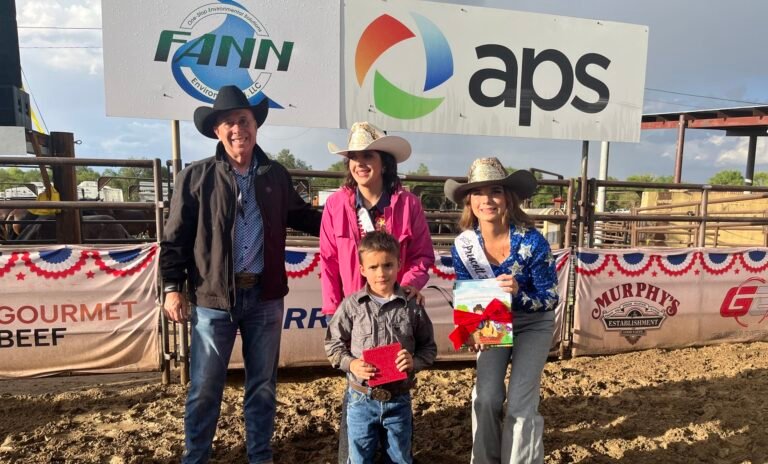
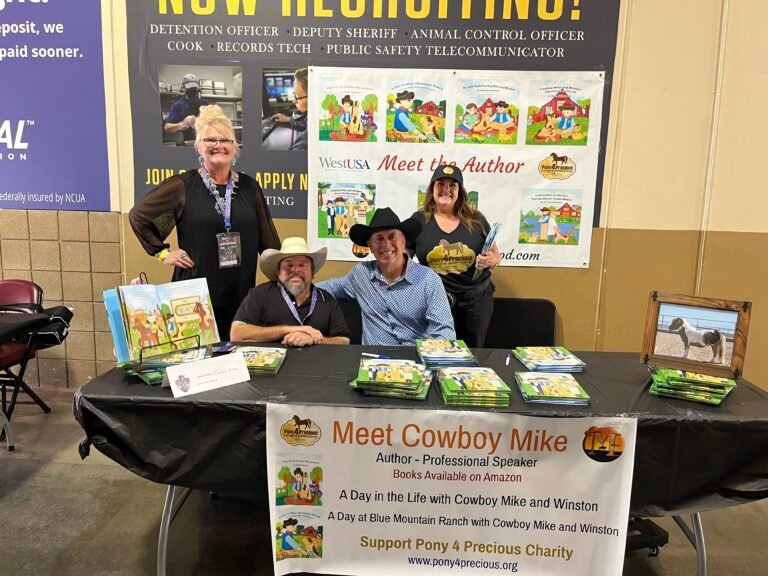
Michael promotes the Cowboy Mike and Winston books through social media, websites, radio, community events, author appearances, local partnerships, and programs supporting children and literacy.
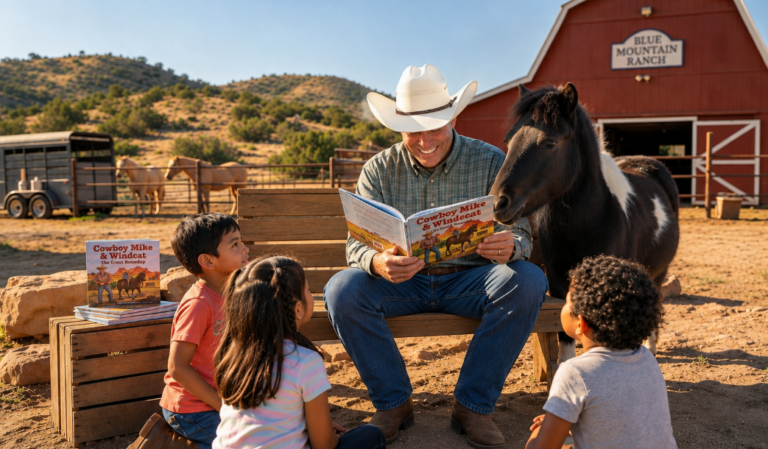
Each launch gives families another opportunity to meet Cowboy Mike and Winston and follow their latest adventure.
From an Idea to a Book in a Child’s Hands
The finished book might look simple when a child opens the cover, but every page represents hours of planning, writing, research, design, editing, illustration, proofreading, and review.
For Michael Eastwood, creating the Cowboy Mike and Winston series is about producing stories children enjoy while giving them opportunities to learn along the way.
Each book starts with a simple idea.
Then comes the story.
Then the artwork.
Then the editing and proofreading.
Then the printed proof.
Finally, after all the details are checked and approved, the story is published and placed into the hands of readers.
That process is what turns an idea for another Cowboy Mike and Winston adventure into a finished children’s book families can enjoy together.